
One great example to start out with is the complete story of the Star Spangled Banner. Watch the video.
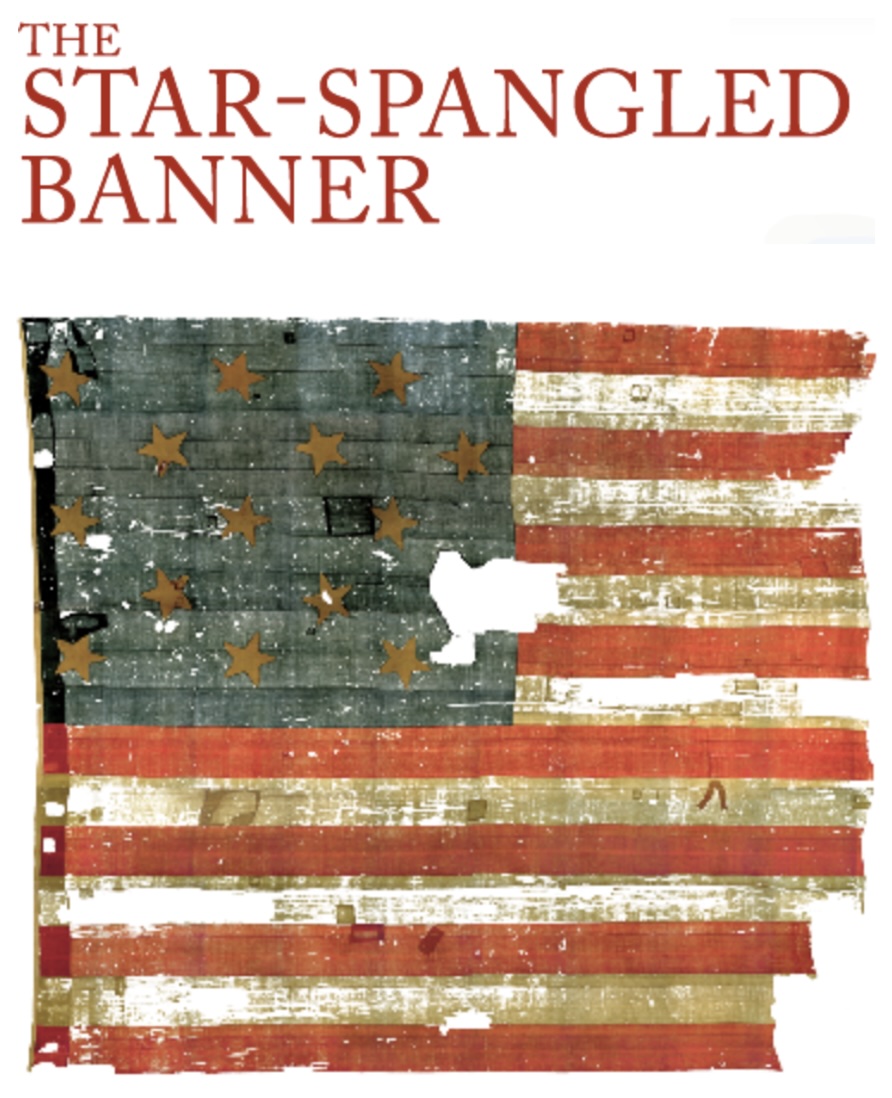
The American flag during the War of 1812 featured 15 stars and 15 stripes, representing the addition of Vermont and Kentucky. Known as the "Star-Spangled Banner," a massive 30-foot by 42-foot garrison flag was sewn by Mary Pickersgill. It miraculously survived a brutal 25-hour British bombardment at Baltimore's Fort McHenry
Seeing this flag waving on the morning of September 14, 1814, inspired Francis Scott Key to write the poem that became the U.S. national anthem.
Click on the title here to get the complete story of the Star Spangled Banner by Francis Scott Key
Symbols of a New Nation
The American flag did not play a major role in the War of Independence. Most of the myths about the flag’s importance during the Revolution—including the famous tale of Betsy Ross sewing the first flag for General Washington—emerged much later, after the Star-Spangled Banner had become the nation’s most significant and cherished icon. At the time the American flag was created, it did not attract much attention from the general public; its primary function was to identify ships and forts. Ordinary Americans in the Revolutionary era turned to a variety of other symbols—the eagle, Lady liberty, George Washington— to express their patriotism and define their national identity.
This would start to change during the War of 1812. Often referred to as the “Second War of Independence,” the conflict inspired a fresh wave of patriotism in a generation too young to remember the Revolution. When Key declared that “our flag was still there,” he fused the physical symbol of the nation with universal feelings of patriotism, courage, and resilience. By giving the flag a starring role in one of the most celebrated victories of the war, Francis Scott Key’s song established a new prominence for the flag as an expression of national identity, unity, and pride. And by giving it a name—that Star-Spangled Banner—Key transformed the official emblem into something familiar and evocative, a symbol that Americans could connect with and claim as their own. The flag was no longer just an emblem of the nation; it became a representation of the country’s values and the ideals for which it stands.
In the years since 1814, in times of celebration and crisis, pride and protest, people have raised the flag to express their ideas about what it means to be American.